How to Bake with Whole Wheat Flour (Without Dry or Heavy Results)
This post may contain affiliate links.
Whole wheat flour is one of the easiest ways to make everyday baking a little more wholesome. It adds fiber, a mild nutty flavor, and a heartier texture that works beautifully in both sweet and savory recipes.
But if you’ve ever swapped it straight in for all-purpose flour, you’ve probably seen what can go wrong — dense muffins, dry cookies, or baked goods that feel heavier than expected.
The good news: whole wheat flour works wonderfully once you know a few simple adjustments. This guide walks through how to use it successfully so your baked goods stay soft, flavorful, and enjoyable.
Why Whole Wheat Changes the Texture
Whole wheat flour contains the entire grain — bran, germ, and endosperm.
That means:
- More fiber (which absorbs more liquid)
- More flavor (nutty, slightly earthy)
- Less gluten development than white flour
The bran in whole wheat acts like a sponge, pulling moisture away from the batter or dough. If you don’t account for that, the result can be dry or dense.
The key to success is simple: add moisture, lighten the structure, and don’t overwork the batter.

The Best Starting Point: Partial Substitution
If you’re new to whole wheat baking, start here:
Replace 25–50% of the all-purpose flour with whole wheat.
This works especially well for:
- Muffins
- Quick breads
- Pancakes
- Cookies
- Bars
- Savory breads and biscuits
Once you’re comfortable with the texture and flavor, you can increase the percentage depending on the recipe.
*I generally do half and half flours (can be whole wheat but also there’s other flours we can get into later. I do choose 100% use of whole wheat flour with some of my recipes.
Add a Little Extra Moisture
Because whole wheat absorbs more liquid, most recipes benefit from a small adjustment.
Try one of these:
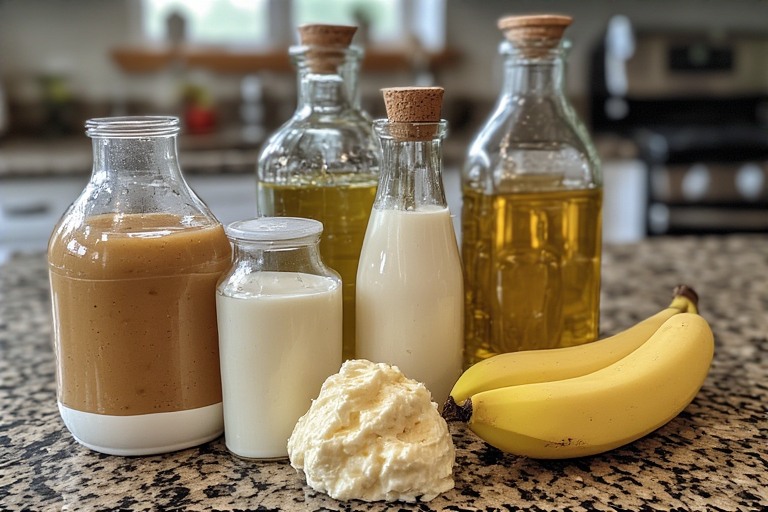
- Add 1–2 tablespoons extra liquid per cup of whole wheat flour
- Increase ingredients like:
- Yogurt
- Milk
- Applesauce
- Mashed banana
- Olive oil or melted butter
This is especially important for:
- Muffins
- Snack cakes
- Quick breads
- Whole wheat cookies
A slightly thicker batter is fine — but if it looks stiff or dry, add a splash more liquid.
Let the Batter Rest
This is a simple trick that makes a big difference.
After mixing, let the batter sit for 5–10 minutes before baking.
This allows the bran to hydrate fully, which:
- Softens the texture
- Reduces grittiness
- Improves overall moisture
It works well for both sweet and savory quick batters.
Choose the Right Whole Wheat Flour
Not all whole wheat flour behaves the same.
Whole Wheat Flour
- Hearty flavor
- Best for rustic breads, savory baking, and heartier muffins

White Whole Wheat Flour
- Made from a lighter variety of wheat
- Milder flavor
- Softer texture
- Great for cookies, cakes, and lighter baked goods
If you want the benefits of whole grain without a strong flavor, white whole wheat is a great option.
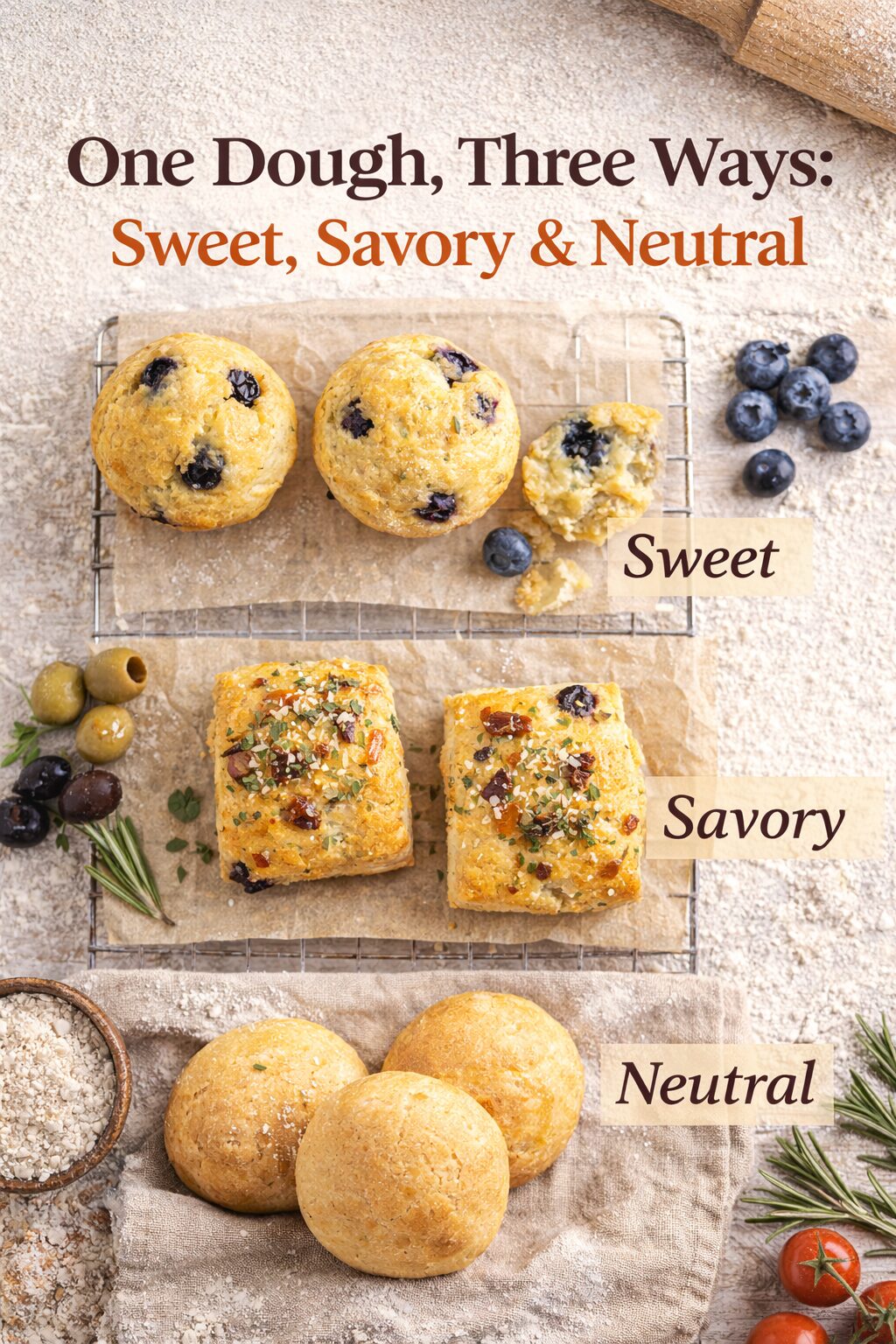
Sweet vs. Savory: What to Expect
Whole wheat works beautifully in both, but the approach is slightly different.
For Sweet Baking
Whole wheat pairs especially well with:
- Banana
- Apples
- Pumpkin
- Oats
- Peanut butter
- Chocolate
- Honey or maple syrup
Tips:
- Keep some fat in the recipe (oil, butter, or yogurt helps tenderness)
- Don’t overbake — whole wheat dries out faster
- Expect a slightly softer, more tender crumb rather than a light cake texture
Best uses:
- Muffins
- Snack cakes
- Energy bites
- Cookies
- Pancakes

For Savory Baking
Whole wheat adds depth and structure to savory recipes.
It works well for:
- Quick breads
- Biscuits
- Flatbreads
- Savory muffins
- Pizza or focaccia blends
Tips:
- Combine with olive oil for a tender texture
- Pair with flavors like herbs, cheese, garlic, or seeds
- Partial substitution (50%) keeps the texture lighter
Whole wheat shines in savory recipes because the hearty flavor feels intentional rather than heavy.
Don’t Overmix
This matters even more with whole wheat.
Overmixing leads to:
- Dense texture
- Tough baked goods
For best results:
- Stir just until combined
- Expect the batter to look slightly thicker
- A few lumps are fine
Gentle mixing = lighter texture.
A Quick Reference Guide
| If your whole wheat bake is… | Try this |
|---|---|
| Dry | Add 1–2 tbsp more liquid |
| Dense or heavy | Reduce whole wheat to 50% |
| Gritty | Let batter rest 5–10 minutes |
| Tough | Mix less |
| Bland | Add a touch of honey, maple, or extra salt |
When 100% Whole Wheat Works Best
Full substitution works well for:
- Pancakes
- Waffles
- Rustic quick breads
- Hearty muffins
- Savory breads and flatbreads
For cookies and cakes, a 50–75% blend usually gives the best balance of flavor and texture.
The Flavor Advantage
One of the biggest benefits of whole wheat isn’t just nutrition — it’s flavor.
That mild nutty taste adds warmth and depth, especially when paired with:
- Chocolate
- Nuts
- Fruit
- Olive oil
- Warm spices
- Herbs and cheese
Used thoughtfully, whole wheat doesn’t feel like a substitute — it becomes part of the recipe.
The Bottom Line
Whole wheat baking doesn’t have to mean dense or dry results. With a few simple adjustments — a little extra moisture, gentle mixing, and the right substitution level — you can create baked goods that feel just as soft, flavorful, and satisfying as traditional versions.
Start with small swaps, pay attention to texture, and adjust as you go. Once you get comfortable with it, whole wheat becomes an easy way to make everyday sweet and savory baking a little more nourishing — without giving up the comfort and enjoyment that makes homemade food worth making














You May Also Like

Flavor Pairings That Make Pistachio Shine (Sweet and Savory Ideas)
Healthy Ingredient Swaps That Make Homemade Snacks More Filling — and Still Delicious