
Why Porcupine Meatballs Are the Ultimate Small-Bite Comfort Food
This post may contain affiliate links.
I remember those rainy evenings when a warm dish just hits the spot: Comfort food like that wraps you in a hug from the kitchen. Enter porcupine meatballs – those quirky balls of ground meat studded with rice that look like they sprouted spines while cooking. They’re small-bite comfort food at its best, blending nostalgia with a fun twist. Porcupine meatballs deserve a spot on your plate, from parties to quick meals. Get ready to see how this classic shines in any setting!
The Anatomy of Perfection: What Makes Porcupine Meatballs Unique
Porcupine meatballs stand out because of their clever build. Mix uncooked rice into the meat, and it puffs up during cooking, giving that spiky look. This sets them apart from plain old meatballs and makes every bite a treat.
The Signature Texture: Rice as the “Quills”
The rice acts like tiny quills that poke out after simmering. You start with raw long-grain rice blended into ground beef or pork. As it cooks in liquid, the grains swell and soften, creating a tender chew inside the juicy meat.
This texture mix keeps things interesting. No soggy centers here – the rice soaks up flavors while staying firm. It’s that slight pop in your mouth that turns a simple meatball into small-bite comfort food magic. Folks love how it mimics biting into something fresh yet hearty.
Flavor Profile Synergy: Meat Meets Savory Sauce
Ground beef forms the base, mixed with onions, garlic, and basic spices like salt and pepper. Pork adds a touch of sweetness if you swap it in. The real star? A thick tomato sauce that simmers everything together.
(**You can also use a tomato soup base)
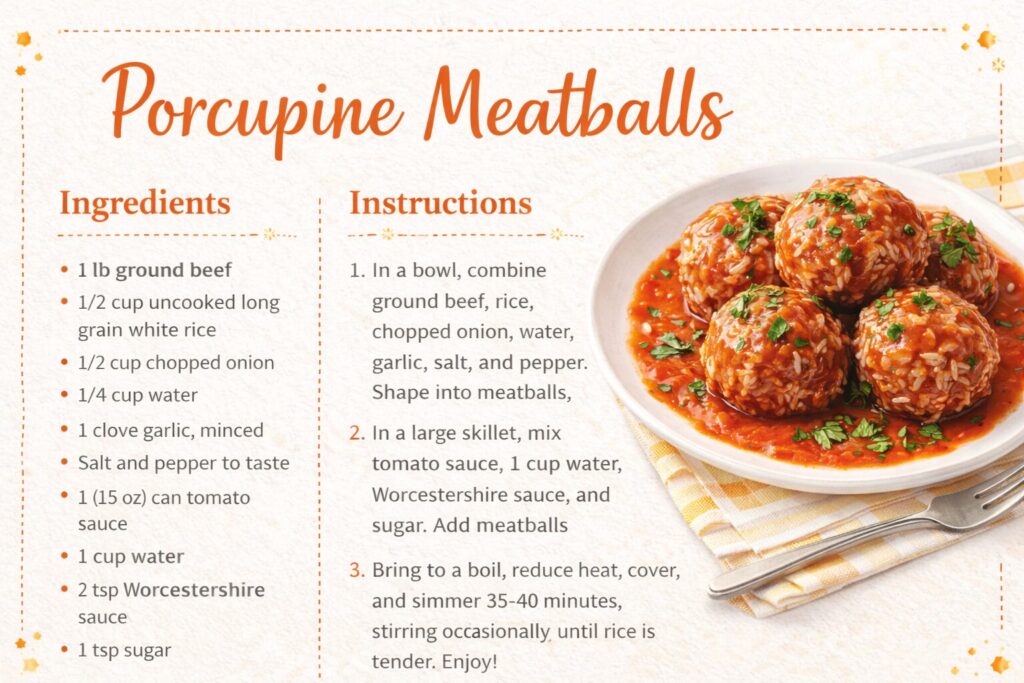
That sauce clings to the outside and seeps into the rice quills. It brings tangy notes from tomatoes, maybe a hint of Worcestershire for umami. Each bite layers savory meat with bright acidity, making porcupine meatballs a flavor powerhouse. You won’t stop at one.
Nostalgia Factor: A Taste of Childhood Gatherings
Porcupine meatballs take you back to family potlucks or church suppers in the 1950s. They popped up in mid-century cookbooks as an easy way to stretch ground meat with rice. Today, vintage recipes like this see a comeback, with searches up 25% on sites like Pinterest in recent years.
Kids at those old gatherings would giggle at the name and spiky look. It sparked joy around the table. Now, in our rush of quick eats, this dish revives that warmth. It’s comfort food that connects generations without much fuss.
Culinary Versatility: Beyond the Weeknight Dinner
Don’t box porcupine meatballs into just dinner. They adapt to any meal or event. Their small size makes them handy for all sorts of uses.
Appetizer Excellence: The Perfect Party Bite
At parties, these meatballs shine as finger food. They’re self-contained, so no mess on plates. Skewer them on toothpicks with a cheese cube, or serve in a slow cooker for easy grabs.
Guests love the easy handling – pop one in your mouth without utensils. For a crowd, make a big batch ahead. Add a sprinkle of parsley on top for that fresh pop. They fit right into appetizer spreads, beating out greasy wings every time.
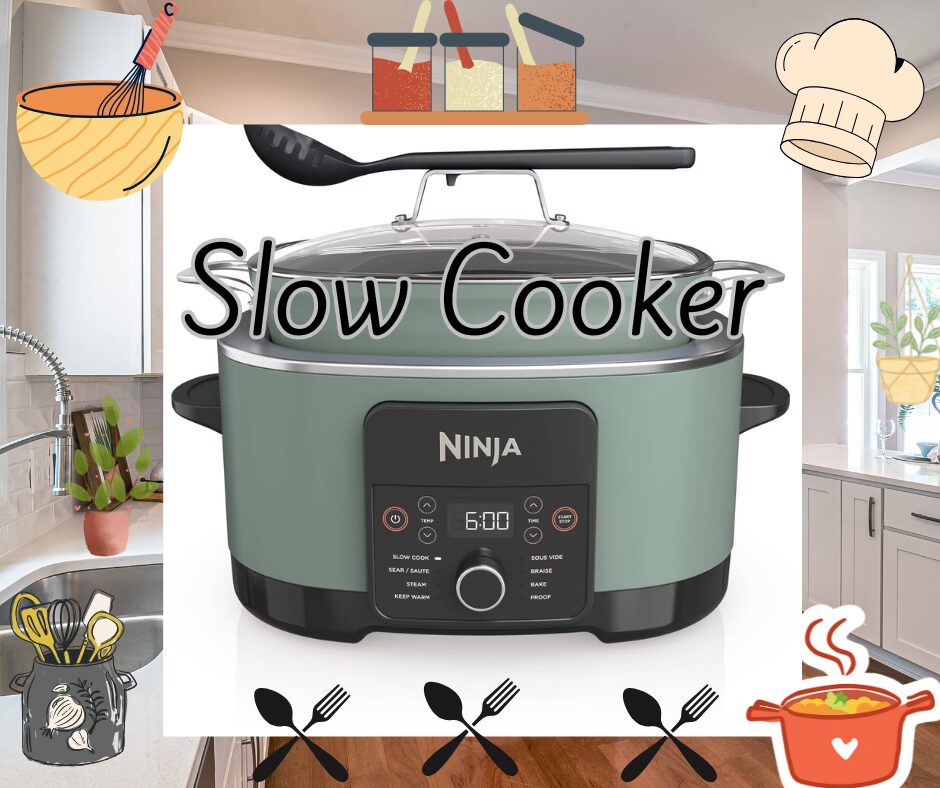
- Keep them warm in a chafing dish.
- Pair with dips like ranch for extra fun.
- Aim for one-inch balls to nail the small-bite size.
Meal Prep Mastery: Batch Cooking and Freezing Tips
Batch cook porcupine meatballs for the week. They freeze well raw or cooked, saving you time on busy days. Portion them into bags with sauce, and they’ll last up to three months in the freezer.
To reheat, thaw overnight and warm on the stove. Microwave works too, but stir halfway for even heat. This makes them great for lunches – hearty and filling without the prep hassle. You’ll thank yourself on those long days.
Sauce Variations: Customizing the Porcupine Experience
Stick to tomato? Sure, but mix it up. Try a creamy mushroom gravy for a richer vibe, like over mashed potatoes. Or go for an onion-based sauce with herbs for subtle earthiness.
For a global twist, simmer in a soy-ginger broth. It turns porcupine meatballs into Asian-inspired bites. These changes keep the dish fresh while keeping the rice quill charm. Experiment to match your mood.
The Science of Simmering: Mastering Porcupine Meatball Technique
Cooking porcupine meatballs is straightforward, but a few tricks make them perfect. Simmering lets the rice bloom just right. Follow these steps for tender results every time.
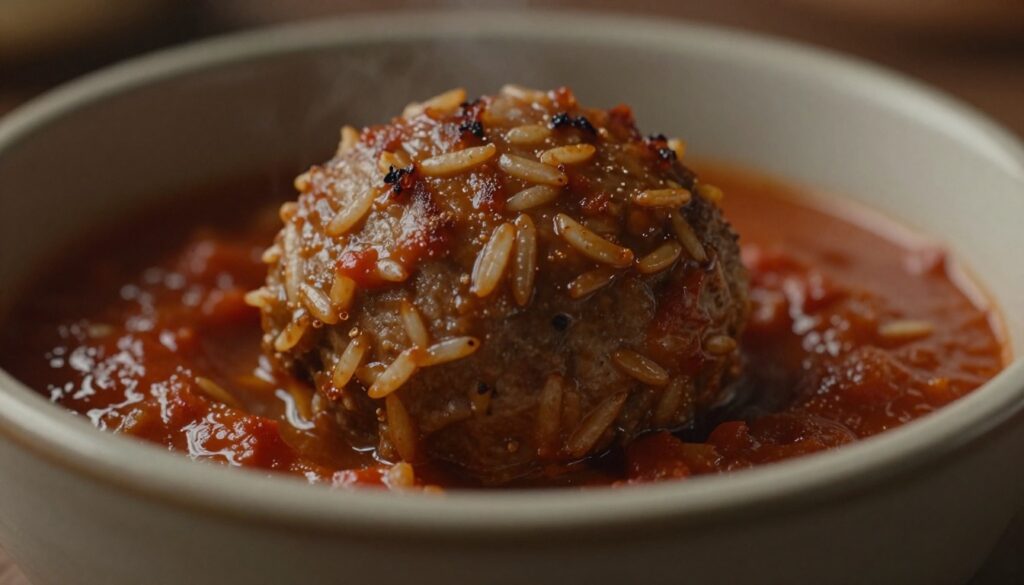
Rice Selection and Preparation: Achieving the Ideal “Quill”
Pick long-grain white rice for the best quills – it holds shape without getting mushy. Medium-grain works if you want more chew. No need to rinse unless it’s dusty.
Soak the rice for 30 minutes before mixing? It helps it cook evenly. Skip it for firmer spikes. Either way, measure one cup rice to two pounds meat. This ratio ensures the texture pops.
Binding and Browning: Forming the Perfect Sphere
Use an egg or breadcrumbs to bind the mix. Roll into tight one-inch balls to avoid cracks. A quick sear in a hot pan browns the outside and locks in juices.
Don’t skip this step – it adds flavor depth. If they crumble, add more meat next time. Gentle handling keeps shapes intact during the simmer. You’ll get uniform, pretty meatballs ready to sauce.
Liquid Management: The Key to Tender Rice
Cover the balls with at least two cups of liquid per pound of meat. Tomato sauce or broth works best. Simmer low for 45 minutes so rice absorbs without drying out.
Watch the pot – add splashes of water if it thickens too fast. The sauce will reduce into a glossy coat. This method tenderizes the meat while cooking the rice fully. Patience pays off in every bite.
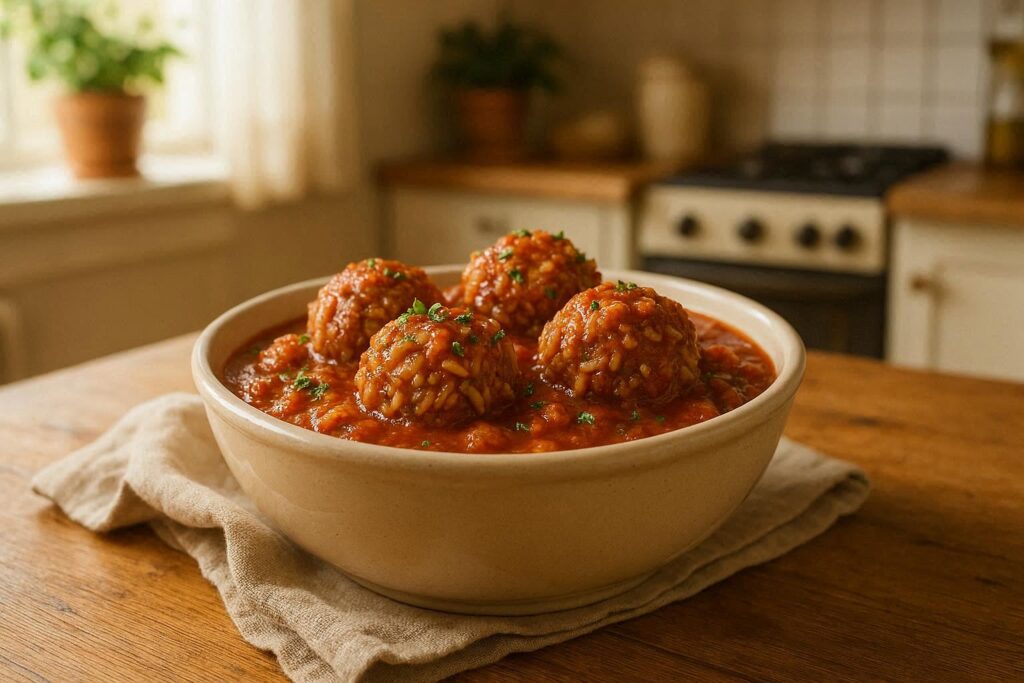
Comparison: Porcupine Meatballs vs. Traditional Appetizers
Porcupine meatballs edge out other starters with their build and taste. Let’s stack them up. See why they win for small-bite comfort food fans.
Texture Contrast: Why Rice Wins Over Breadcrumbs
Standard meatballs use breadcrumbs for softness. Porcupine versions swap that for rice, adding a chewy burst. It’s like the difference between soft bread and a rice pilaf – more fun to eat.
That grainy pop surprises in a good way. Breadcrumb balls can feel one-note. Rice quills bring layers, making each small bite memorable.
Nutritional Snapshot: A More Substantial Bite
Rice adds fiber and carbs, turning these into a filling snack. One meatball packs about 150 calories, with 10 grams of protein from the meat. Compare to cheese cubes at 100 calories but less staying power.
The grains boost whole-food benefits over refined fillers. They’re heartier than bruschetta, which relies on toppings. For parties, they satisfy without overstuffing guests.
Conclusion: Securing the Spot in Your Comfort Food Pantheon
Porcupine meatballs blend unique texture, easy versatility, and deep flavors into small-bite comfort food gold. From party trays to meal prep, they fit anywhere. That rice quill trick and savory sauce make them stand tall against plain appetizers.
They’re not just old-school charm – they’re smart cooking done right. Grab that recipe card and whip up a batch. Taste why porcupine meatballs rule as your next go-to comfort bite. You won’t look back.
















You May Also Like

Cake Pops: The Sweet Little Treat That Does It All