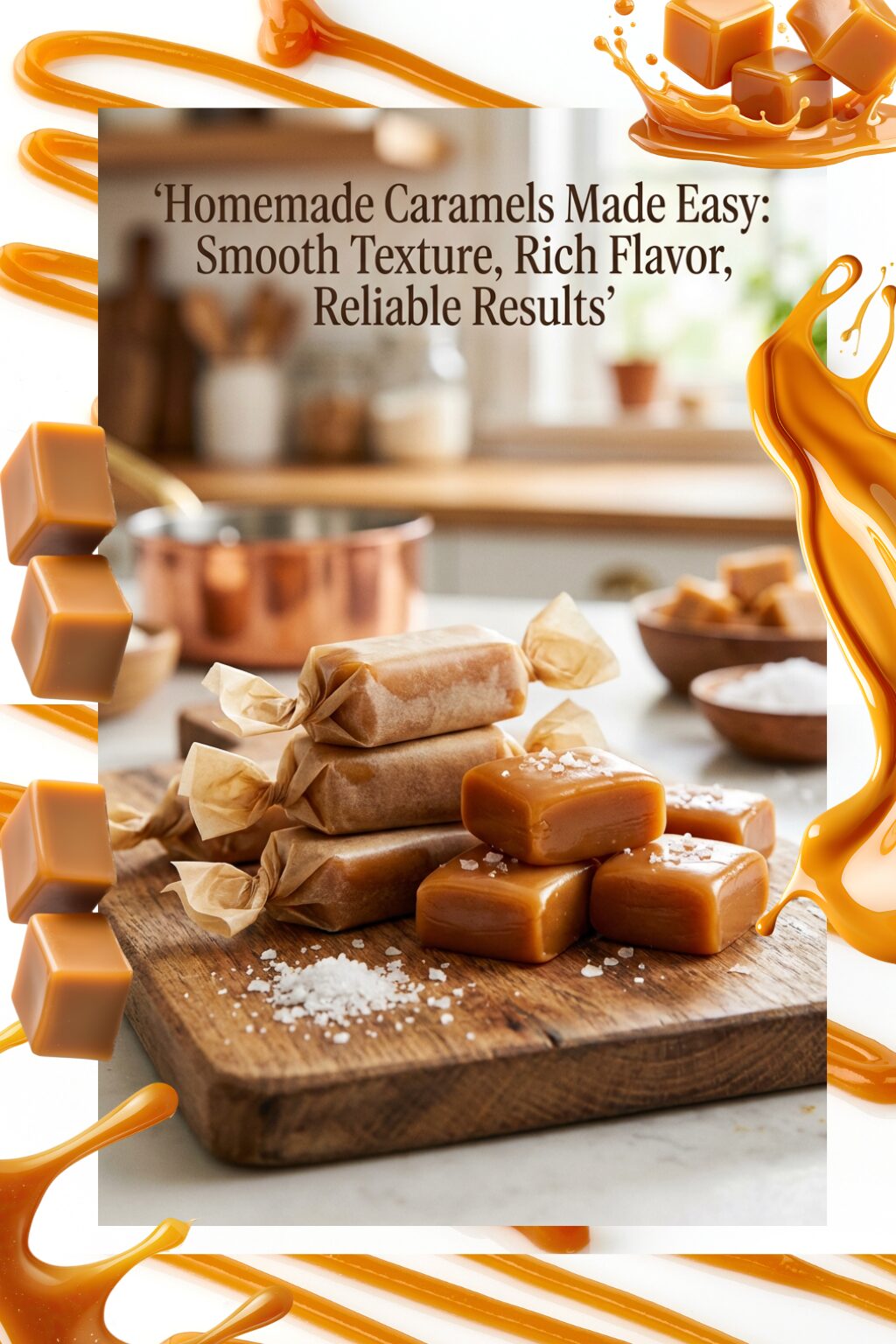
Homemade Caramels Made Easy: Smooth Texture, Rich Flavor, Reliable Results
This post may contain affiliate links.
Homemade caramels are one of those classic confections that feel both nostalgic and timeless. Made on the stovetop with simple ingredients, they have been passed down through generations as a dependable, crowd‑pleasing treat. At their core, caramels are a balance of sugar, dairy, heat, and timing. When that balance is respected, the result is a soft, buttery candy that can be enjoyed as‑is or enhanced with an endless range of flavors.
This guide is designed as a foundational, evergreen resource for making homemade caramels and thoughtfully flavoring them using accessible ingredients. It covers the basic process, common pitfalls, and practical ways to add flavor without compromising texture. Whether caramels are made for family, gifting, or small‑scale sales, the techniques remain the same.
A Classic Stovetop Tradition
For many home cooks, the first experience with caramels involved a saucepan, a candy thermometer, and sheets of wax paper waiting on the counter. The method has not changed much over the years, and that is part of its appeal. Unlike many modern confections, caramels do not rely on specialty equipment or hard‑to‑find ingredients. The stovetop method allows for close attention to color, aroma, and temperature, which are critical to a successful batch.
The traditional approach also creates a strong base for experimentation. Once the core recipe is understood, flavor variations can be introduced in measured, intentional ways.
Understanding the Basics of Caramel Candy
Caramel candy is different from caramel sauce. While both begin with sugar and heat, caramel candy incorporates dairy and fat to create a firm yet pliable texture that sets as it cools.
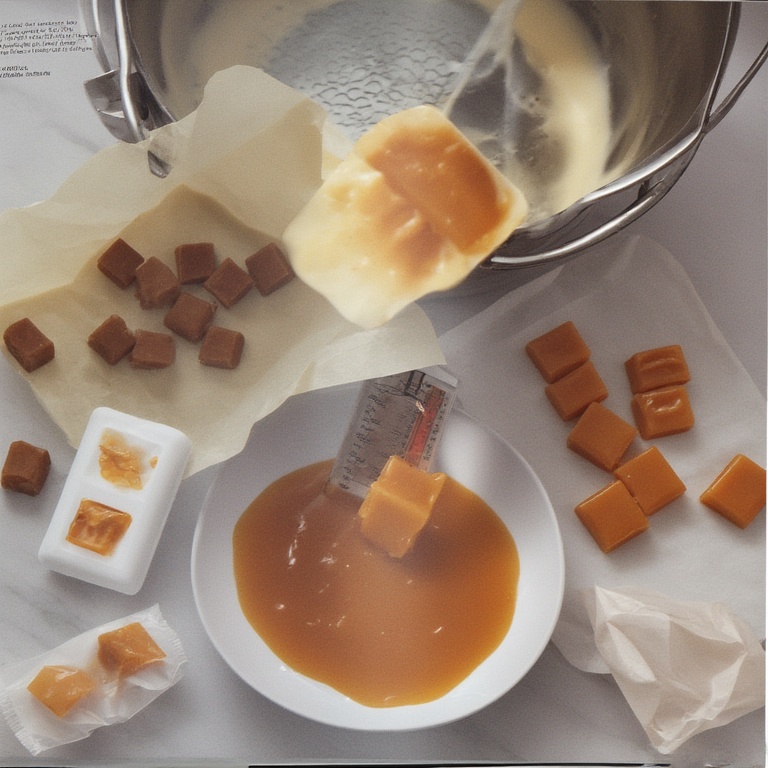
Key Components
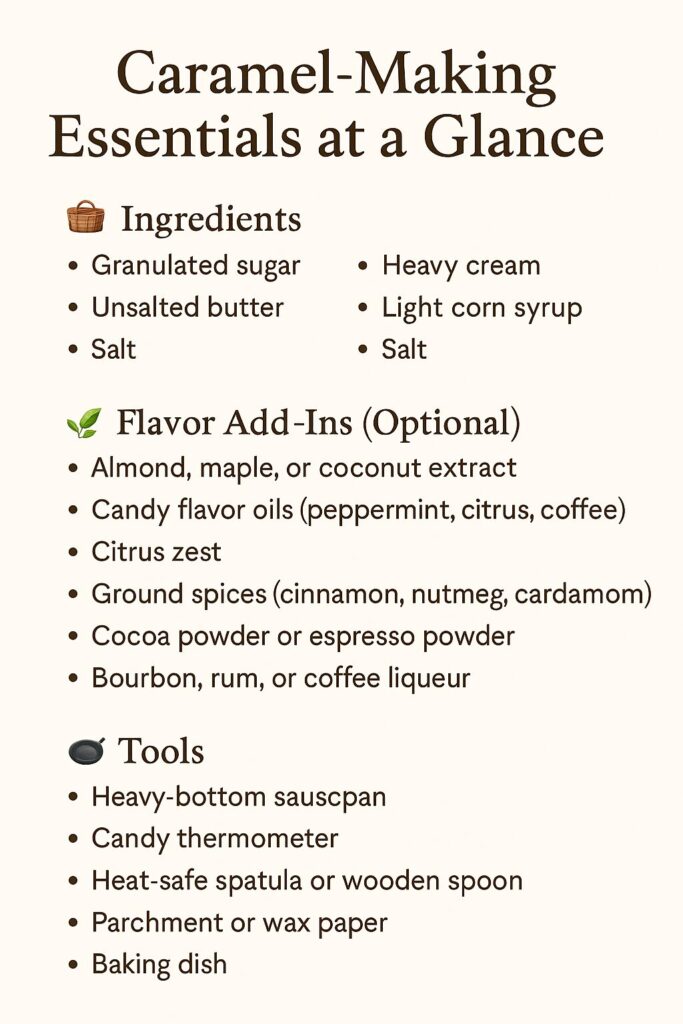
- Sugar: Provides sweetness and structure. Granulated white sugar is standard.
- Butter: Adds richness and contributes to a smooth mouthfeel.
- Cream or Milk: Controls texture and prevents the sugar from hardening into brittle candy.
- Corn Syrup or Glucose (optional): Helps prevent crystallization and improves consistency.
- Salt: Enhances flavor and balances sweetness.
Each ingredient plays a specific role. Altering quantities or adding flavorings without understanding these roles can affect the final result, which is why measured additions are important.
Equipment That Makes the Process Easier
While caramels can be made with minimal tools, a few items greatly improve consistency and safety:
- Heavy‑bottomed saucepan
- Candy thermometer (clip‑on preferred)
- Heat‑resistant spatula or wooden spoon
- Parchment or wax paper
- Lightly greased baking dish
- Bench scraper or sharp knife for cutting
Accurate temperature readings are especially important, as even a few degrees can change the texture from soft and chewy to firm or sticky.
The Caramel Cooking Process
Caramels are cooked slowly and require attention throughout the process. Rushing or multitasking often leads to uneven texture or scorched sugar.
General Method Overview
- Sugar, butter, cream, and syrup are combined and heated gradually.
- The mixture is stirred consistently to prevent scorching.
- Temperature is carefully monitored as the mixture thickens and darkens.
- Once the target temperature is reached, the mixture is removed from heat.
- Flavorings are added immediately, then the caramel is poured into a prepared pan.
- The caramel cools fully before cutting and wrapping.
Target temperatures typically range between 240°F and 248°F, depending on desired firmness.
Common Issues and How to Avoid Them
Grainy Texture
Graininess is usually caused by sugar crystallization. Using a small amount of corn syrup and avoiding agitation once the mixture reaches a boil can help prevent this.
Too Soft or Too Firm
Texture issues almost always relate to temperature. A reliable thermometer and consistent heat are essential.
Burnt Flavor
Dark color develops quickly near the end of cooking. Lowering heat and stirring constantly during this stage helps maintain control.
Flavoring Homemade Caramels
One of the advantages of homemade caramels is their ability to accept flavor in many forms. Flavor additions should complement, not overpower, the natural butter‑sugar base.
When to Add Flavor
Flavorings are best added after removing the caramel from heat, when the mixture is still hot but no longer cooking. This preserves delicate flavors and prevents evaporation.
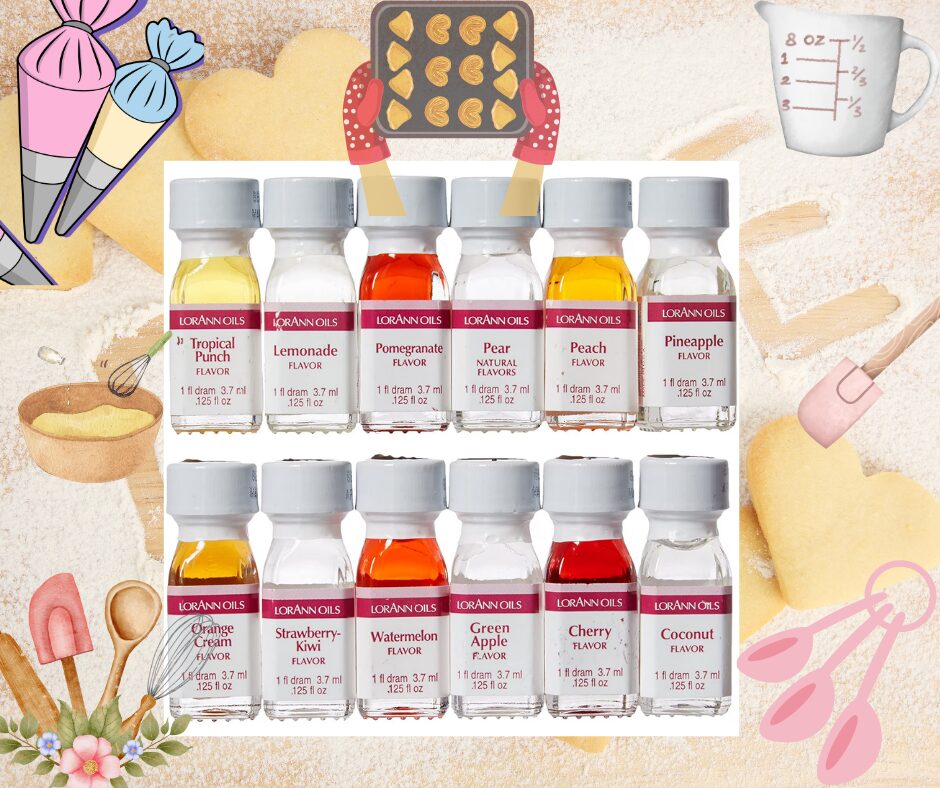
Flavoring Options and Resources
Extracts
- Vanilla
- Almond
- Maple
- Coconut
Use sparingly, typically ½ to 1 teaspoon per batch, depending on strength.
Oils and Concentrates
Candy flavor oils are highly concentrated and should be added in drops. These are effective for:
- Peppermint
- Orange
- Lemon
- Coffee
Natural Ingredients
- Citrus zest
- Instant espresso powder
- Finely ground spices (cinnamon, nutmeg, cardamom)
- Cocoa powder
Dry ingredients should be fully dissolved or finely ground to avoid texture issues.
Alcohol‑Based Flavoring
Small amounts of alcohol can add depth without overpowering sweetness:
- Bourbon
- Rum
- Irish cream
- Coffee liqueur
Use 1–2 teaspoons, added off heat. Alcohol content cooks off quickly, leaving flavor behind.
Creating Flavor Variations from One Batch
A single base batch can be divided and flavored individually. This approach allows multiple varieties without additional cooking.
Method
- Pour the finished caramel into separate heat‑safe bowls.
- Add different flavorings to each portion.
- Stir gently and pour into small prepared molds or sections.
This method works well for testing new flavors or creating assortments.
Packaging and Presentation Ideas
Once cooled and cut, caramels can be wrapped individually in wax paper or parchment. They store well at room temperature when wrapped tightly.
Presentation ideas include:
- Clear treat bags tied with twine
- Small bakery boxes
- Seasonal packaging for holidays
- Simple labels noting flavor and ingredients
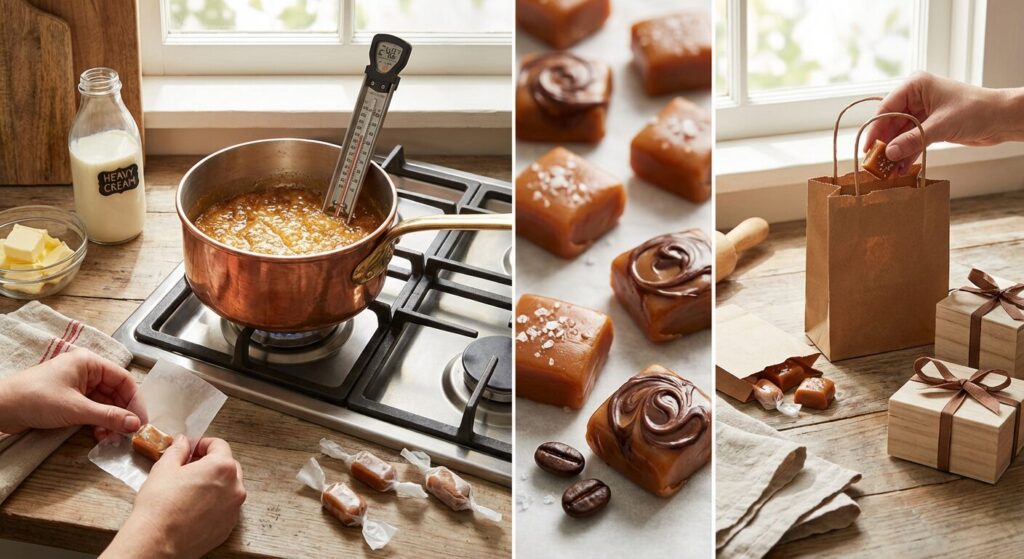
Caramels are well suited for gifting, dessert tables, and small‑scale markets due to their shelf stability and universal appeal.
Easy Homemade Caramel Recipe (Quick Reference)
Basic Stovetop Caramels
Ingredients
- 1 cup granulated sugar
- ½ cup unsalted butter
- ½ cup heavy cream
- ¼ cup light corn syrup
- ½ teaspoon salt
- 1 teaspoon vanilla extract
Instructions
- Line a small baking dish with parchment and lightly grease.
- Combine sugar, butter, cream, and corn syrup in a saucepan.
- Cook over medium heat, stirring constantly, until the mixture reaches 245°F.
- Remove from heat and stir in salt and vanilla.
- Pour into prepared dish and allow to cool completely.
- Cut into squares and wrap individually.
This recipe serves as a base for nearly all flavor variations.
Storage and Shelf Life
Wrapped caramels keep well for 2–3 weeks at room temperature. Refrigeration is not recommended, as it can introduce moisture and affect texture.
For longer storage, caramels can be frozen and thawed at room temperature before serving.
Why Homemade Caramels Remain Timeless
Homemade caramels represent a balance of simplicity and creativity. The base recipe is dependable, while flavor variations allow for endless personalization. With careful technique and thoughtful additions, caramels can remain a consistent, evergreen offering that evolves with seasons, preferences, and inspiration.
As a foundational confection, they invite experimentation while honoring tradition—making them as relevant today as they were decades ago.

















One Comment
Pingback: